Updated: September 3, 2026
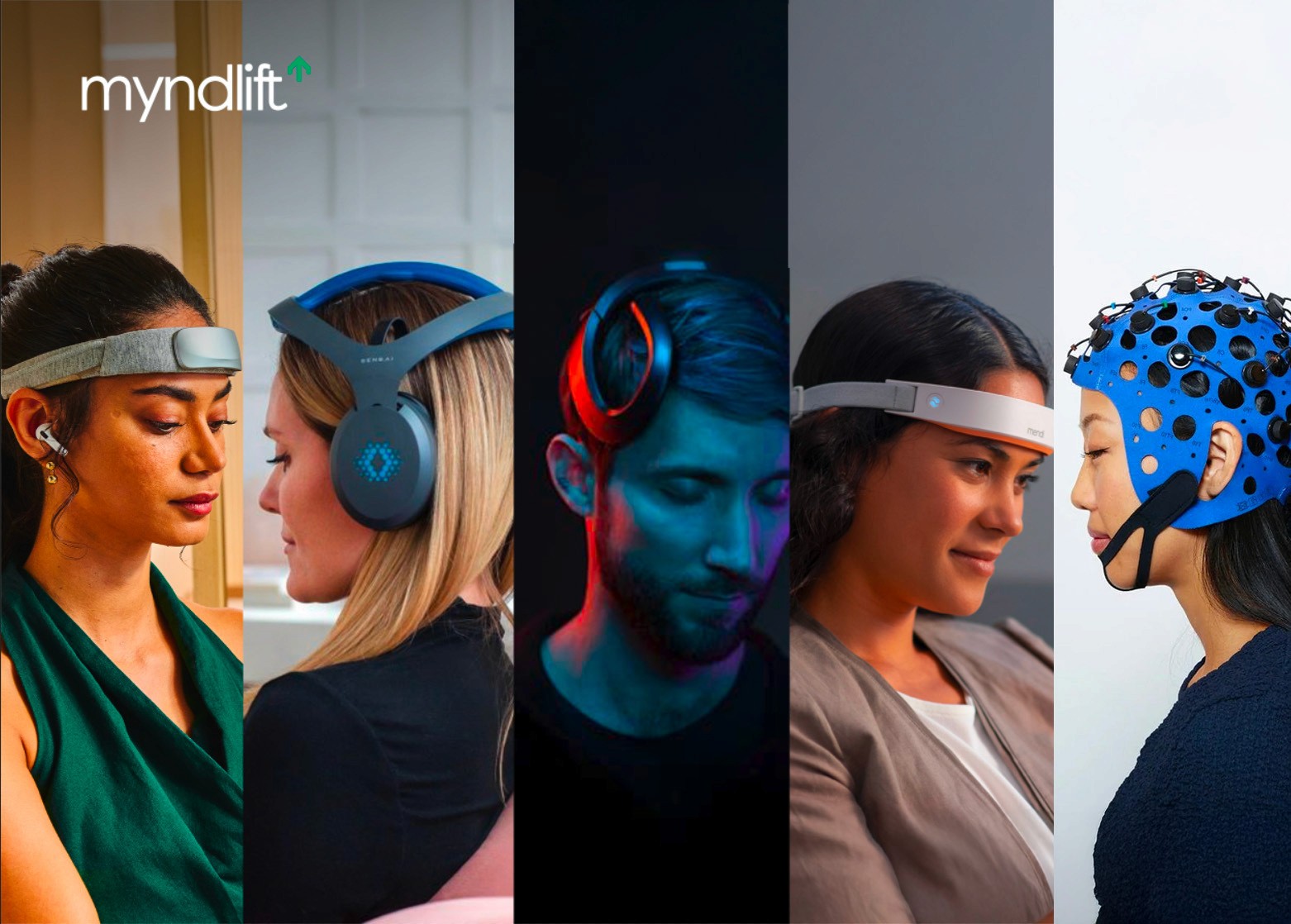
At-home neurofeedback generally falls into three categories: self-guided neurofeedback, remote clinician-guided neurofeedback, and brain-tracking devices. This guide explains how each works, who it's best for, and how to choose the right fit.
Choosing the right category matters more than choosing the brand. The key difference is how much structure, personalization, and accountability you need.
Self-guided platforms are best for curious beginners and independent users.
Clinician-guided platforms are better for specific goals, measurable progress, or expert support.
Passive tracking devices provide brain data like focus or cognitive load, but they are not true neurofeedback training systems.
This guide breaks down how each type works, who it is best for, common price ranges, and how to choose the right fit for your goals.
Most people researching at-home neurofeedback end up more confused after an hour of reading than before they started.
Not because it’s complicated, but because the options aren’t really comparable. These platforms follow completely different approaches to training the brain.
So instead of asking “Which device is best?”, start here:
How much structure do I need to actually get results?
At-home neurofeedback falls into three categories, based on how much guidance, personalization, and accountability you get. Choosing the right category matters more than the specific brand you pick.
Quick comparison
Type | Example devices | Custom training plan | Professional guidance | What it’s like day-to-day | Best fit | Price range |
|---|---|---|---|---|---|---|
Self-guided | Muse, Mendi, FocusCalm | ❌ | ❌ | Prebuilt brain training sessions you do on your own, with app feedback and self-tracked progress. | “I’m okay figuring this out on my own.” | $200–$400 + optional app fees |
Clinician-guided | Myndlift | ✅ | ✅ | Personalized brain training with a Neuro Coach who builds your plan, tracks progress, and adjusts it over time. | “I want a custom plan and someone to adjust it.” | $618–$804 (3 months) |
Passive / tracking | Neurosity, Neurable | ❌ | ❌ | Designed for monitoring, not training. You wear it and receive data about your brain state or recovery. | “I want data, not training.” | $499–$1,500+ |
Self-guided at home neurofeedback
You follow pre-built training programs and train on your own, without a professional reviewing or adjusting your plan. Setup is usually quick: you wear a headband and receive real-time feedback through audio, visuals, or scores.
Sessions typically last 10–20 minutes. People often use these devices for stress, focus, or sleep, but the programs are generally broad rather than tailored to your specific needs or goals.
Good fit: Curious beginners, self-experimenters, people who've already done clinic-based neurofeedback and want to continue independently.
Not a good fit: Anyone with a specific condition or goal that requires a personalized protocol, or who needs external accountability to stay consistent.
Examples: Muse, Mendi, FocusCalm
Price: $200–$400 + optional app fees
Remote clinician-guided neurofeedback
Remote clinician-guided neurofeedback brings the traditional neurofeedback model into the home. Instead of training entirely in a clinic, you complete sessions remotely while a provider monitors progress and adjusts your training plan over time.
The process starts with a brain assessment, typically a qEEG, focus test, and symptom questionnaire, which a neurofeedback expert uses to build a personalized training plan. As you progress, the plan is adjusted.
Sessions typically run 20–30 minutes, 3–5 times per week. Because the plan evolves and someone is monitoring your progress, the experience is more structured than self-guided, and there's a clear feedback loop between your results and what you do next.
This model is commonly used for alleviating ADHD and anxiety symptoms, sleep issues, and peak performance.
Good fit: People with a specific goal or condition, anyone new to neurofeedback who wants professional guidance, people who want measurable progress over time.
Not a good fit: Casual users with no particular goal, or those who prefer full autonomy over their training.
Examples: Myndlift
Price: $618–$804 (3 months)
Standalone tracking devices
Standalone tracking devices monitor brain activity during everyday tasks rather than dedicated training sessions.
Neurosity Crown, for example, uses an 8-channel EEG to track attention while you work, with adaptive audio that adjusts to your brainwave readings. Neurable takes a different approach: EEG sensors built into headphones, so tracking happens inconspicuously throughout the day.
Neither offers neurofeedback training in the clinical sense. The value is situational awareness: understanding how your focus and cognitive load shift across a day, without carving out time for training sessions.
Good fit: Productivity-focused users who want background cognitive tracking, developers who want API access to their brain data.
Not a good fit: Anyone looking for structured neurofeedback training or working toward a specific health outcome.
Examples: Neurosity Crown, Neurable
Price: $499–$1,500+
A note on the evidence
The research behind at-home neurofeedback is uneven but growing. Some platforms have meaningful peer-reviewed studies behind them. Use cases like ADHD and anxiety have stronger clinical backing than general focus or stress.
Results vary between individuals, and no at-home device matches clinical-grade validation standards, but the field is more evidence-based than its consumer-gadget reputation suggests.
What this guide doesn't cover
This guide focuses on at-home neurofeedback options rather than ranking specific devices.
Traditional in-office neurofeedback remains another option. In that model, training takes place entirely in a clinic with a practitioner present. At-home neurofeedback expands access by allowing people to train remotely, either independently or with ongoing clinician support.
Neurofeedback isn't one thing anymore
Most people still think of it as something you do in a clinic. The at-home neurofeedback space has quietly grown into something much broader and much more accessible than it was even a few years ago.
Home is now a legitimate place to start.
FAQs
How often do I need to use neurofeedback?
Most at-home platforms are designed for 3–5 sessions per week, with sessions often lasting 10–30 minutes depending on the product. Short, consistent use usually matters more than occasional long sessions.
How long does neurofeedback usually take?
Some people notice changes within 2–4 weeks of consistent use. Many people evaluate progress over 8–12 weeks, since brain training is usually gradual rather than immediate.
Is self-guided neurofeedback enough for beginners?
It can be a practical starting point if you want a lower-cost, easier entry point. It’s often best for people comfortable following pre-built programs and tracking progress on their own.
What does at-home neurofeedback usually cost?
Many self-guided devices start around $200–$400, while guided plans can cost $600+ over the first few months. Some products also include memberships or ongoing fees.
What’s the difference between self-guided and clinician-guided neurofeedback?
Self-guided platforms usually use pre-built programs you run yourself. Clinician-guided options typically include a personalized plan, progress reviews, and adjustments over time.
Are brain-tracking devices the same as neurofeedback?
Not always. Tracking devices focus on monitoring signals like brain activity, stress, or recovery. Neurofeedback platforms use real-time feedback to help you practice shifting those patterns.
Where can I get neurofeedback?
Neurofeedback is available through traditional in-office clinics, remote clinician-guided platforms, and self-guided consumer systems used at home. In-office clinics provide neurofeedback during scheduled appointments. Remote clinician-guided platforms allow people to train at home while receiving ongoing support and protocol adjustments from a provider. Self-guided systems use pre-built training programs without clinician involvement.

Related posts