Written by:
Published
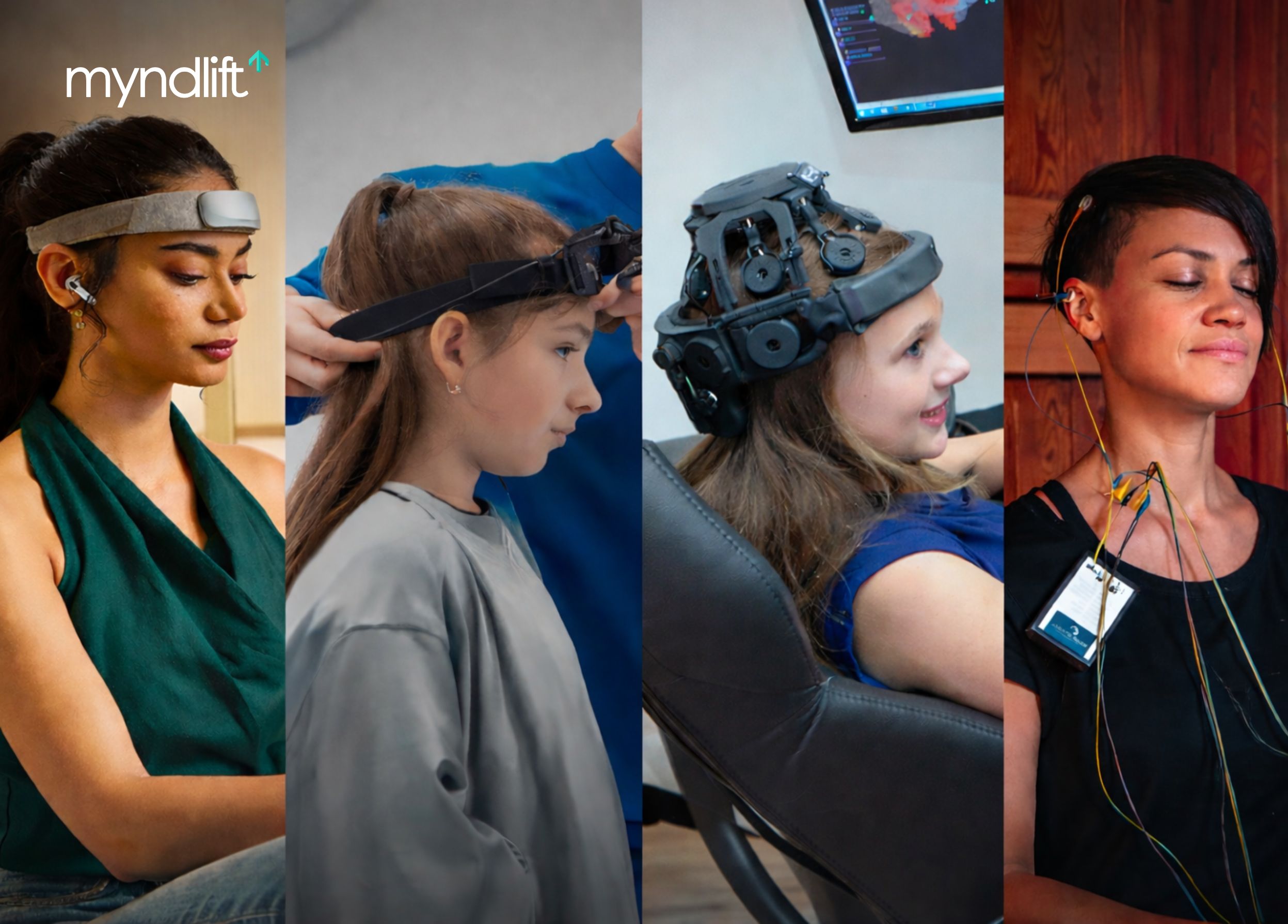
Neurofeedback gives mental health professionals something rare. A direct window into how the brain is actually functioning, in real time.
By analyzing electrical brain activity and training the brain to self-regulate, it often produces results that most modalities can't: measurable, session-by-session change in symptoms linked to a wide range of neurological and mental health conditions.
But that depth comes at a cost.
The data is often complex, progress isn't always easy to communicate, and keeping clients engaged across weeks of training sessions can take real effort.
Myndlift's 2026 updates are built around exactly those challenges.
Here's what's new and what’s coming:
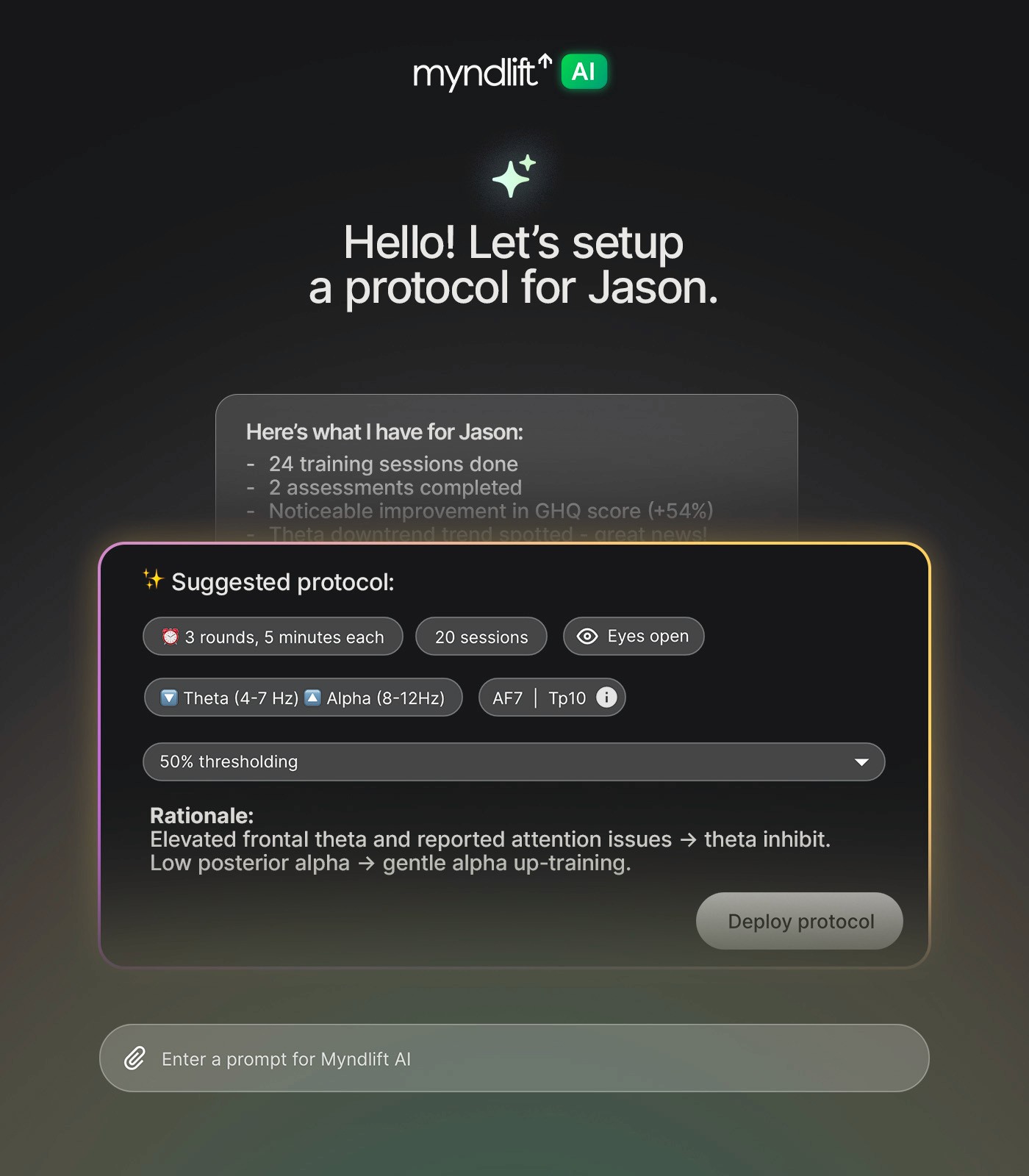
The AI Clinical Assistant: Cut review time
Reviewing assessments and session data is one of the most time-consuming parts of running a neurofeedback practice.
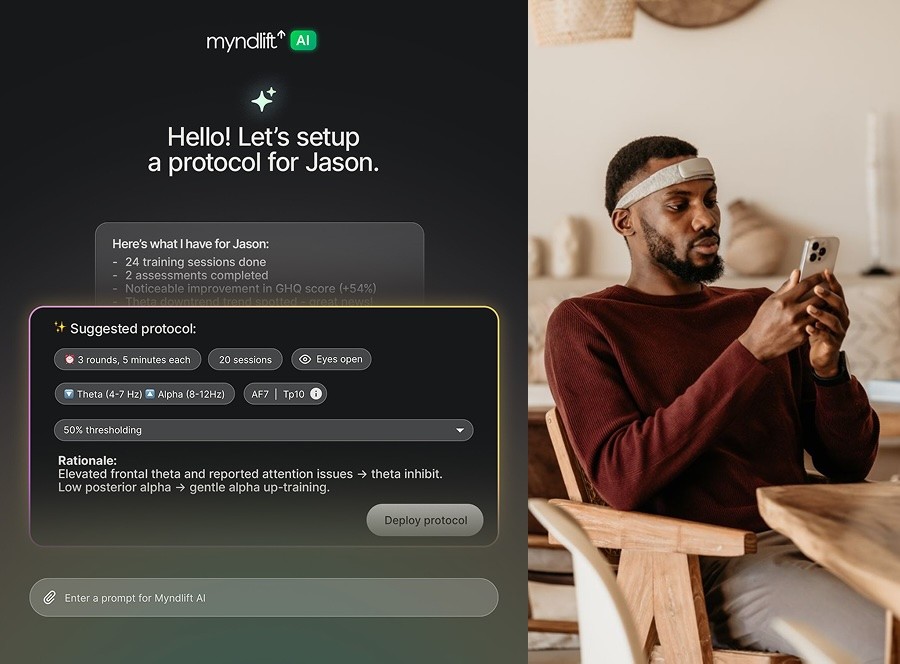
Myndlift’s AI Clinical Assistant is built to change that in three ways:
1) Smarter intake: It analyzes client brain maps (qEEG), cognitive performance tests (CPT), and questionnaires, surfacing what's clinically relevant so you don't have to start from scratch.
2) Deeper client insight: It tracks progress across sessions, flagging meaningful patterns, early signs of disengagement, and protocol moments worth a closer look.
3) Faster protocol design: It connects the dots across assessments, brain maps, and session information to suggest next-step protocols.
EEG + fNIRS: See what’s holding the brain back
EEG shows how the brain is firing. fNIRS shows whether it has the oxygen to sustain that activity.
In 2026, Myndlift will support simultaneous EEG and fNIRS training, combining electrical activity with real-time insight into prefrontal oxygenation.
Together, they answer a question:
Is the issue in how the brain is functioning, or in whether it has the resources to function well?
There’ll be no changes to the session structure. Protocols and training flow will remain the same, with oxygenation feedback integrated in real time and both signals available for side-by-side review.
Brain Snapshots: A new way to start the neurofeedback conversation
Brain Snapshots are quick, visual summaries of a client's brain activity, generated in 3 minutes, explained simply, and easy for anyone to understand. They’re not a replacement for a full qEEG, but a powerful complement to it.
Share one during a consultation, embed it on your website, or use it as a conversation starter.
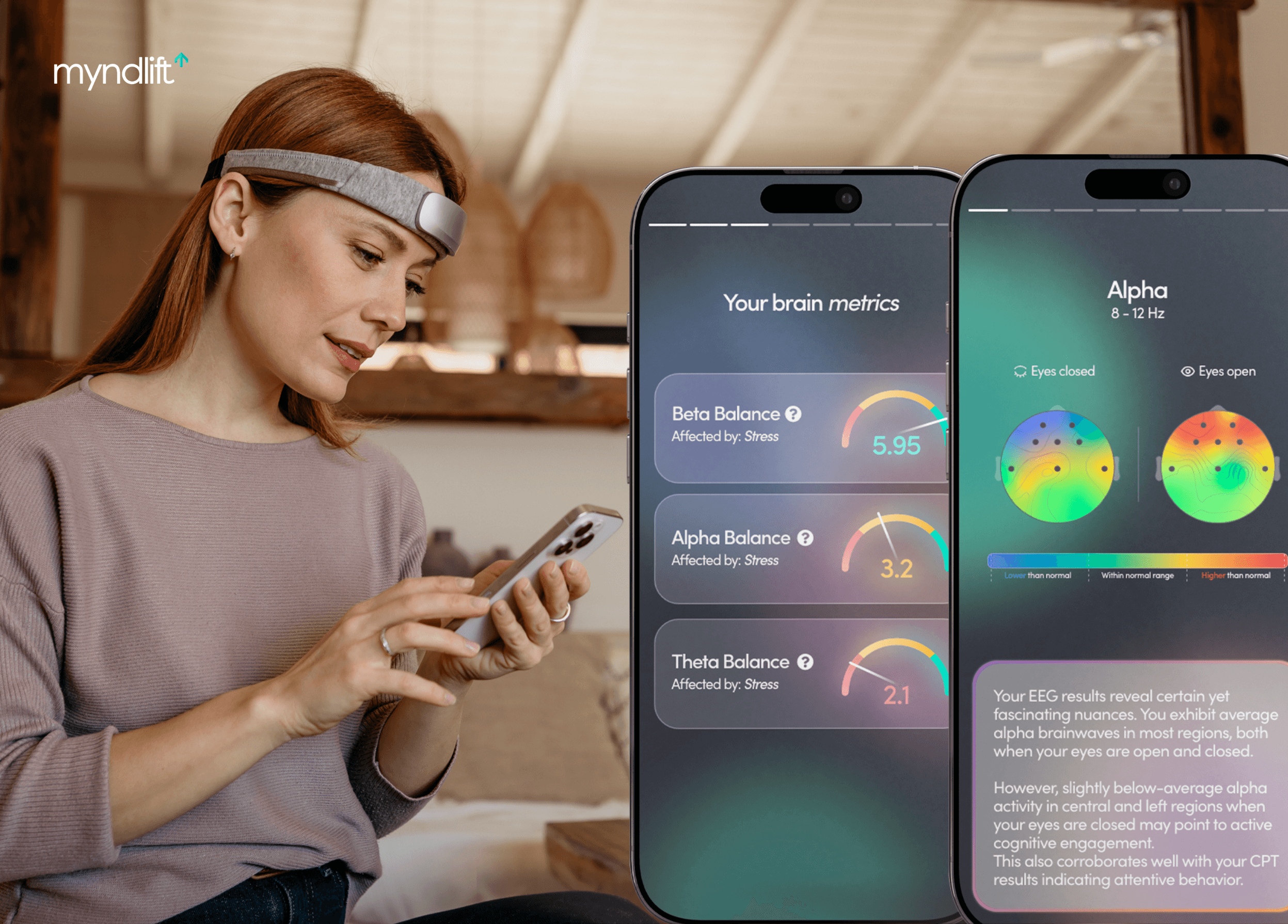
It's one of the most tangible ways to show prospective clients what neurofeedback can reveal, before they've even committed to training.
And for existing clients, it shows how different habits affect their brain activity, from a cup of coffee to the food and supplements they take every day, which might help them stay invested in the training process.
3D Neurofeedback: More ways to keep clients engaged
Myndlift lets you adapt the training experience without changing the protocol.
Clients can train through games, streaming, or sound-based sessions, using visual, auditory, and haptic feedback. If a client disengages, they can switch the format and keep the session going without restarting.
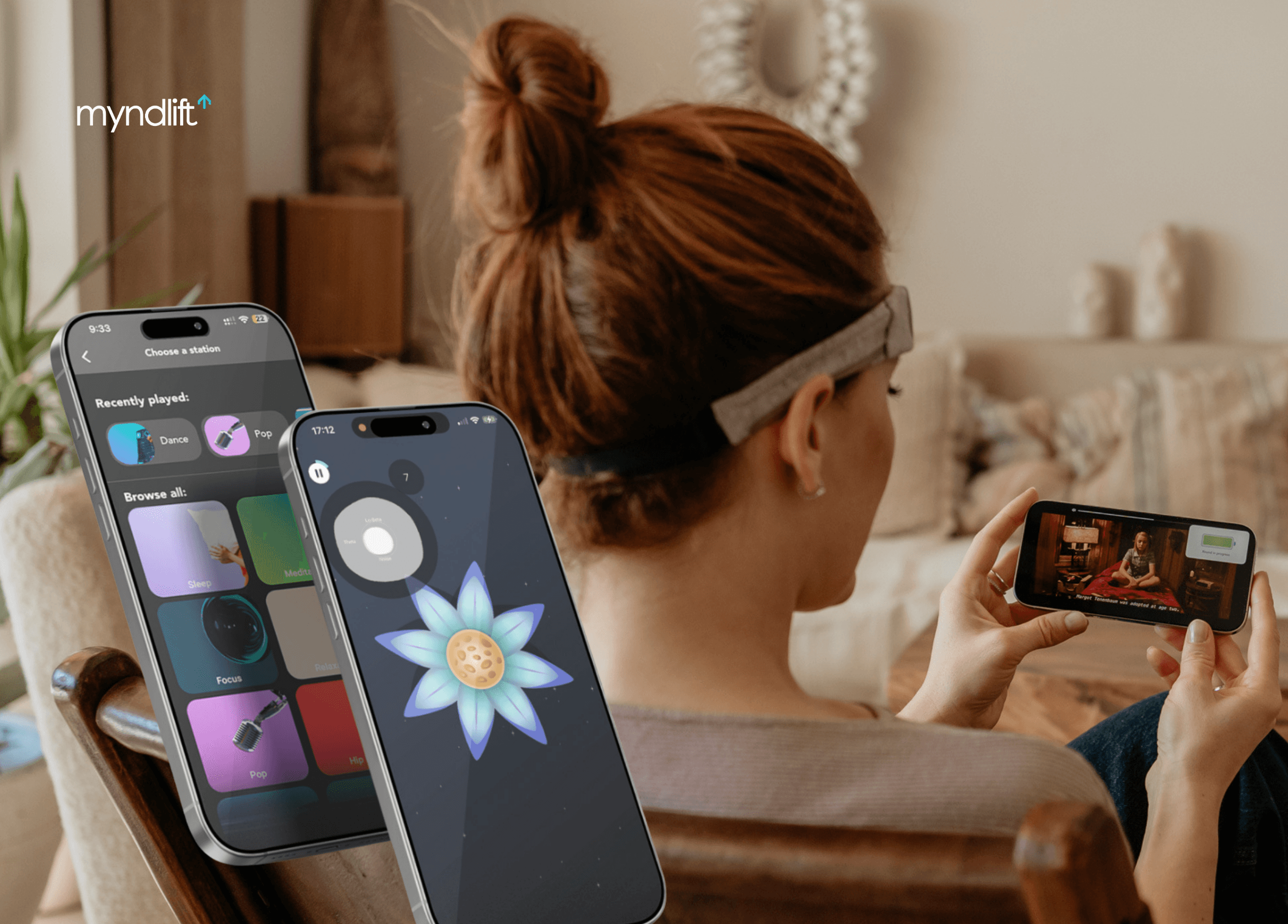
One of these options is Myndlift’s Harmonia, a sound-based training mode which delivers continuous, adaptive audio that responds to brain activity in real time, without requiring manual input or content selection.
This makes it especially useful for clients who struggle with screen-based training or find traditional formats repetitive.
As a result of having multiple training options, they are more likely to stay consistent with their sessions, giving you clearer signals to guide decisions.
A clinical community that grows with you
The tools are only part of the picture.
Myndlift's clinician community brings together thousands of practitioners across specialties and populations.
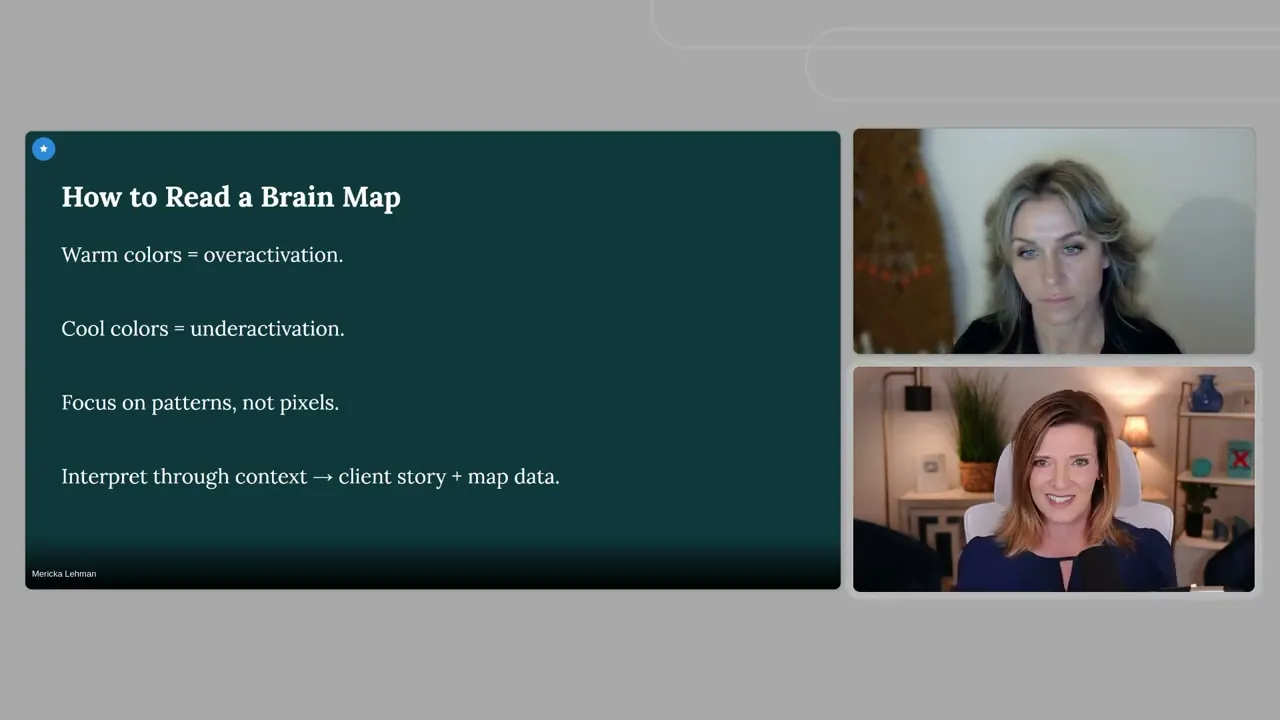
Regular webinars cover brain maps, protocol strategy, and real clinical applications led by experienced practitioners across the network.
Myndlift’s clinical community is a key part of how neurofeedback actually runs in practice.
By sharing real-world use and building on these tools, clinicians are pushing the field forward, together.
What’s changing in 2026 isn’t the core of neurofeedback; it’s how easy it is to actually use it in practice.
Myndlift offers data-driven care and better client outcomes through neurofeedback. If you're a provider, schedule a demo today and join thousands of clinicians already seeing the difference.

Related posts